The story behind the film
A chance encounter.
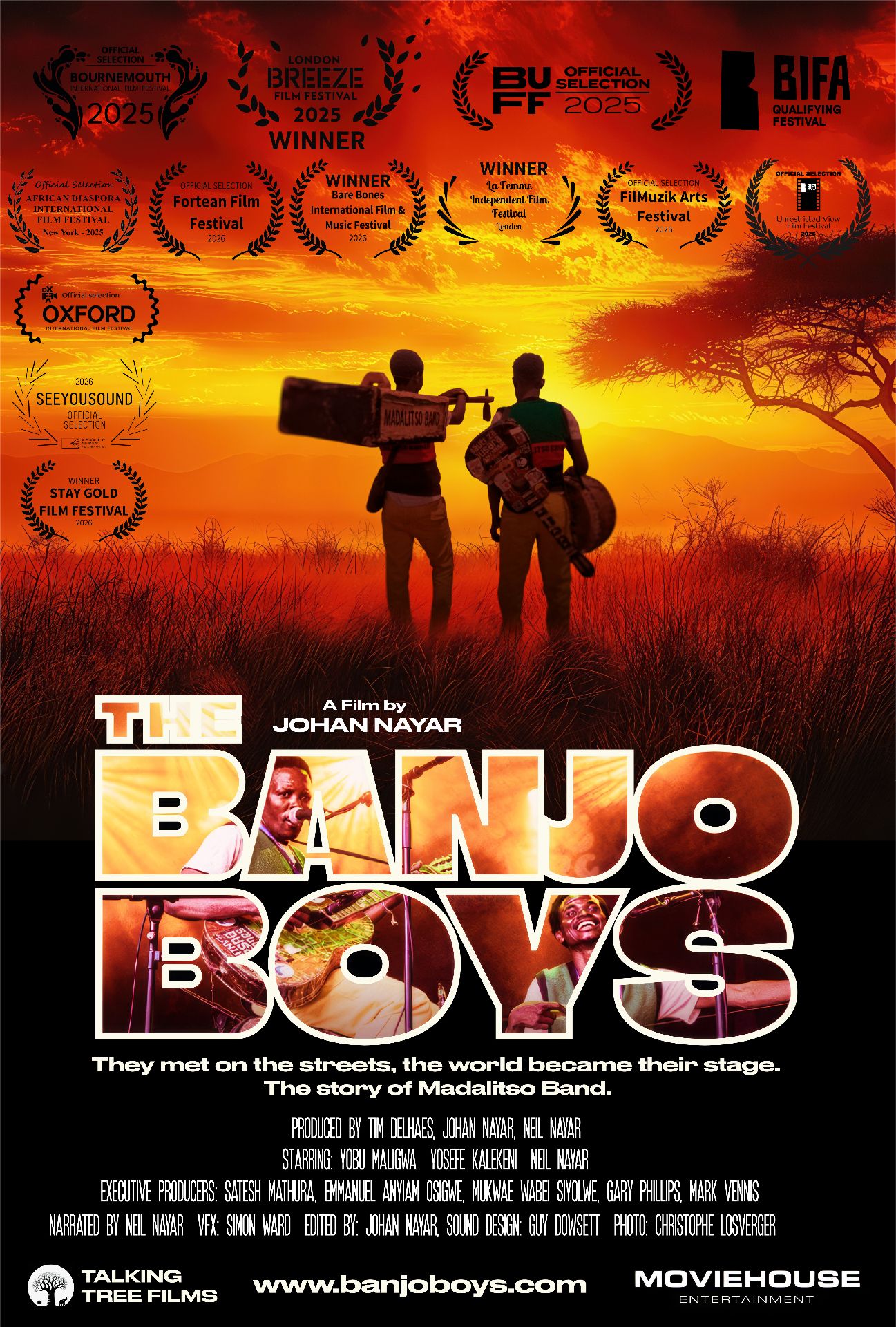
They met on the streets, the world became their stage.
The story of Madalitso Band
In 2002, Malawi was in the grip of a devastating drought. Crops had failed across the country. Two young men, from different villages, each made the same decision: leave.
They would find each other on the streets of Lilongwe. That meeting would eventually lead, through a chain of unlikely encounters spanning two decades, to this film.
What follows is the story of how two buskers with homemade instruments — a salvaged banjo, a one-stringed bass — found their way from the markets of Lilongwe to Glastonbury, the BBC, and stages on three continents.
The beginning
Two Malawians and their homemade instruments.
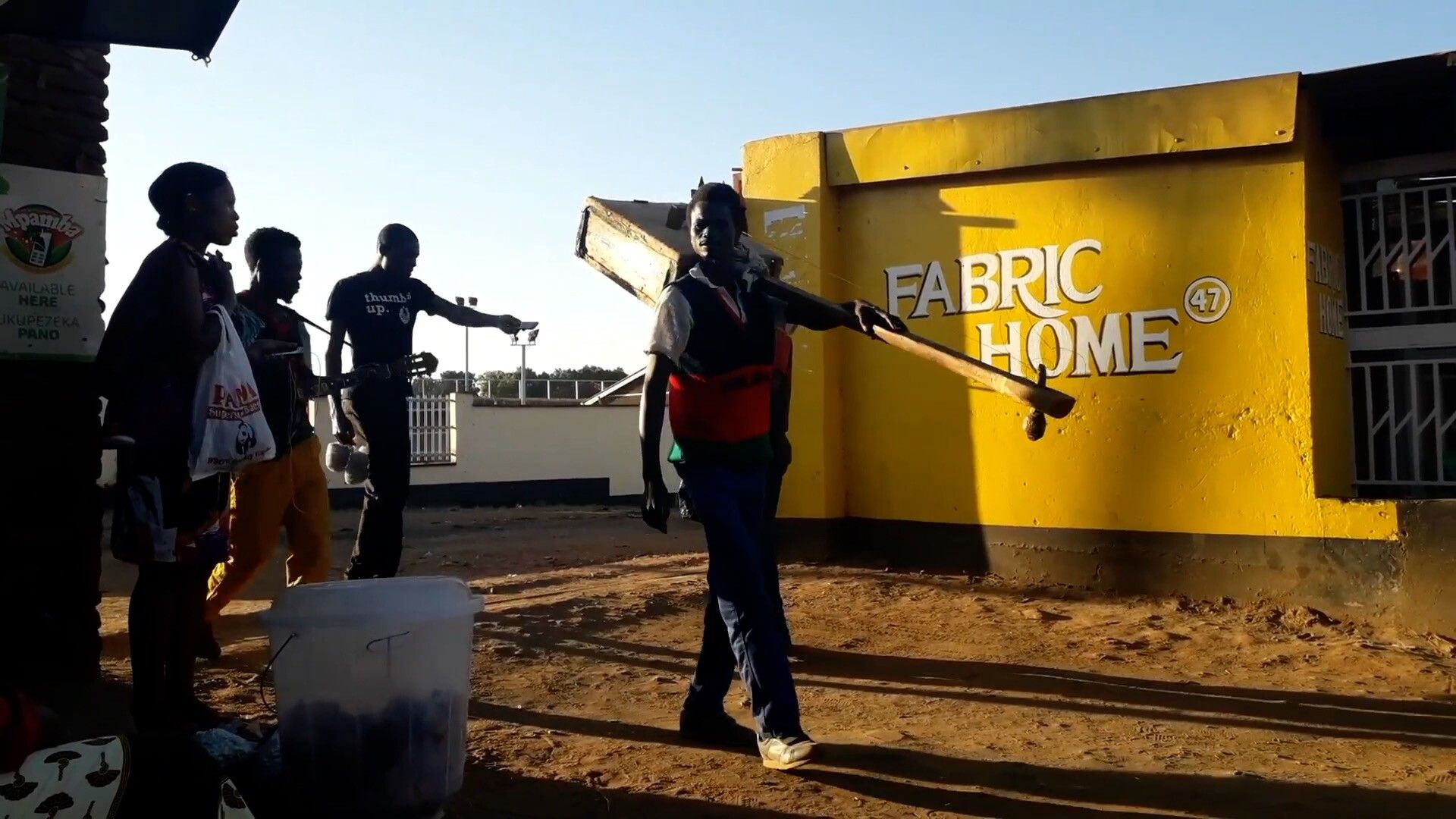
Yobu Maligwa arrived in the capital with very little. Yosefe Kalekeni was already there, playing a banjo he'd built himself from salvaged materials, including a chicken container. When Yobu heard him playing on the street, he stopped. He told Yosefe he dreamed of becoming a musician. He suggested they form a band.
Yobu's instrument was a babatone: a one-stringed bass built from a truck cable and a medicine bottle, played with a credit card as a pick. For years they busked the markets of Lilongwe and were largely dismissed — called madmen, ignored. They weren't trying to make art. They were trying to survive.
A local producer named Emmanuel eventually noticed them. His studio became a place where the music started to take shape.
The name
From "we try" to "blessings."
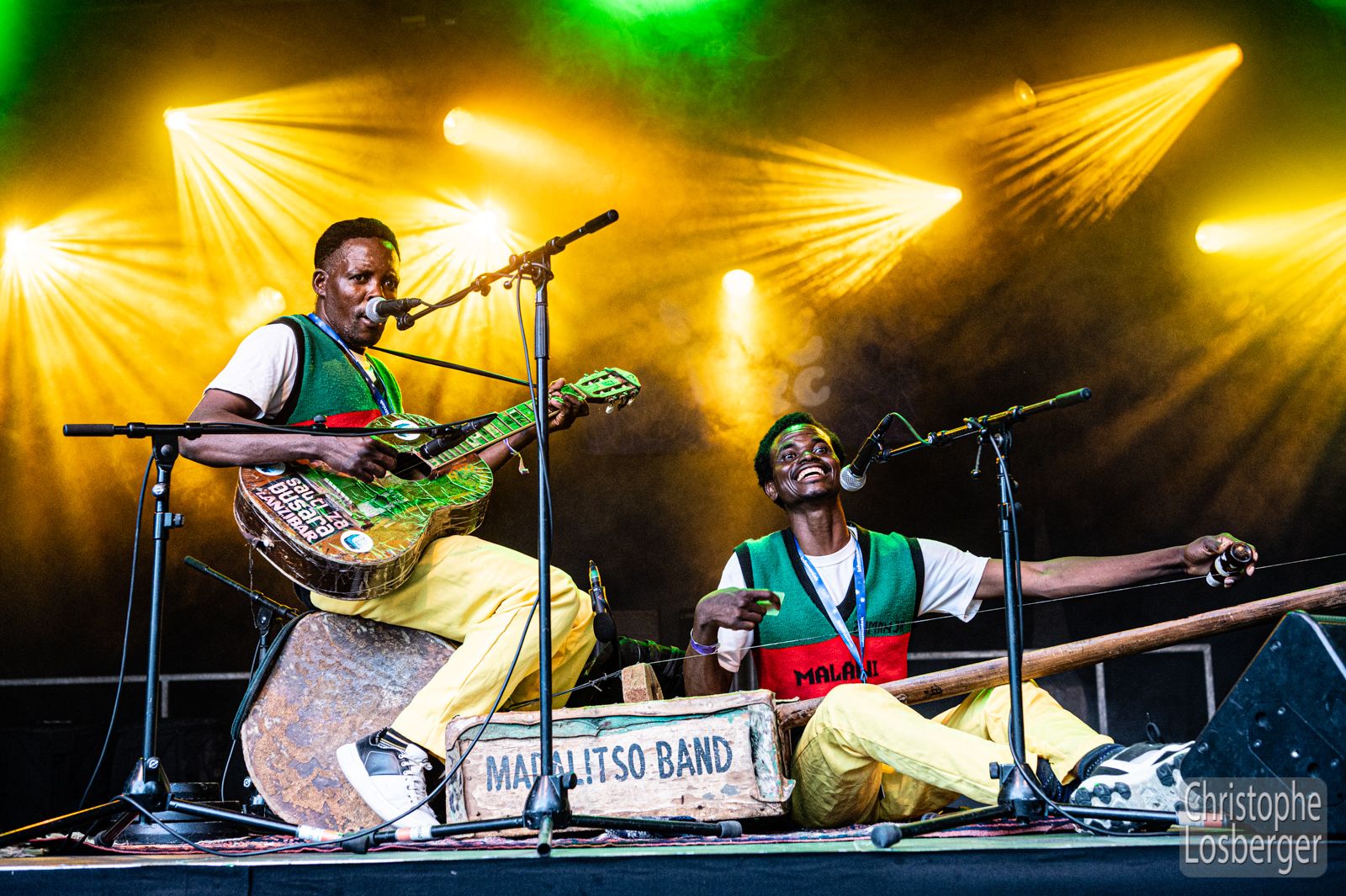
For years the band was called Tiyese, meaning "let's try" in Chichewa, because as Yobu put it, "we felt we were not there yet."
A friend told them plainly: "As Tiyese, you will just be trying forever. You will remember my words."
From that day they became Madalitso Band. Madalitso means blessings. Their fortunes began to change with something seemingly so small.
The encounter
A British musician in a dusty car park.
Neil Nayar had been living in Malawi, drawn to its music, searching for a particular sound he'd heard on the streets. He had formed his own band there, Neil and the New Vibration, recording music that absorbed what he found. One day he crossed paths with Yobu and Yosefe in the car park outside Emmanuel's studio.
It was casual, almost nothing. But it became everything.
Neil learned the local language. He became their manager, roadie, translator, and cultural bridge — wearing every hat at once. The trio began to move: first to Zanzibar for Sauti za Busara, then to WOMAD in the UK, then to Joshua Tree in California, then to Glastonbury. Audiences who had never heard of Malawi stopped in their tracks.
The film
A filmmaker, a short documentary, and a chance meeting in a national park.
Neil's brother Johan Nayar is a filmmaker. In the summer of 2019, with a week off work, he went to film the band at a few festivals in England. What started as a road trip became a short documentary, selected for the Sound Unseen Documentary Festival in Minneapolis.
It was enough to know the full story needed to be told.
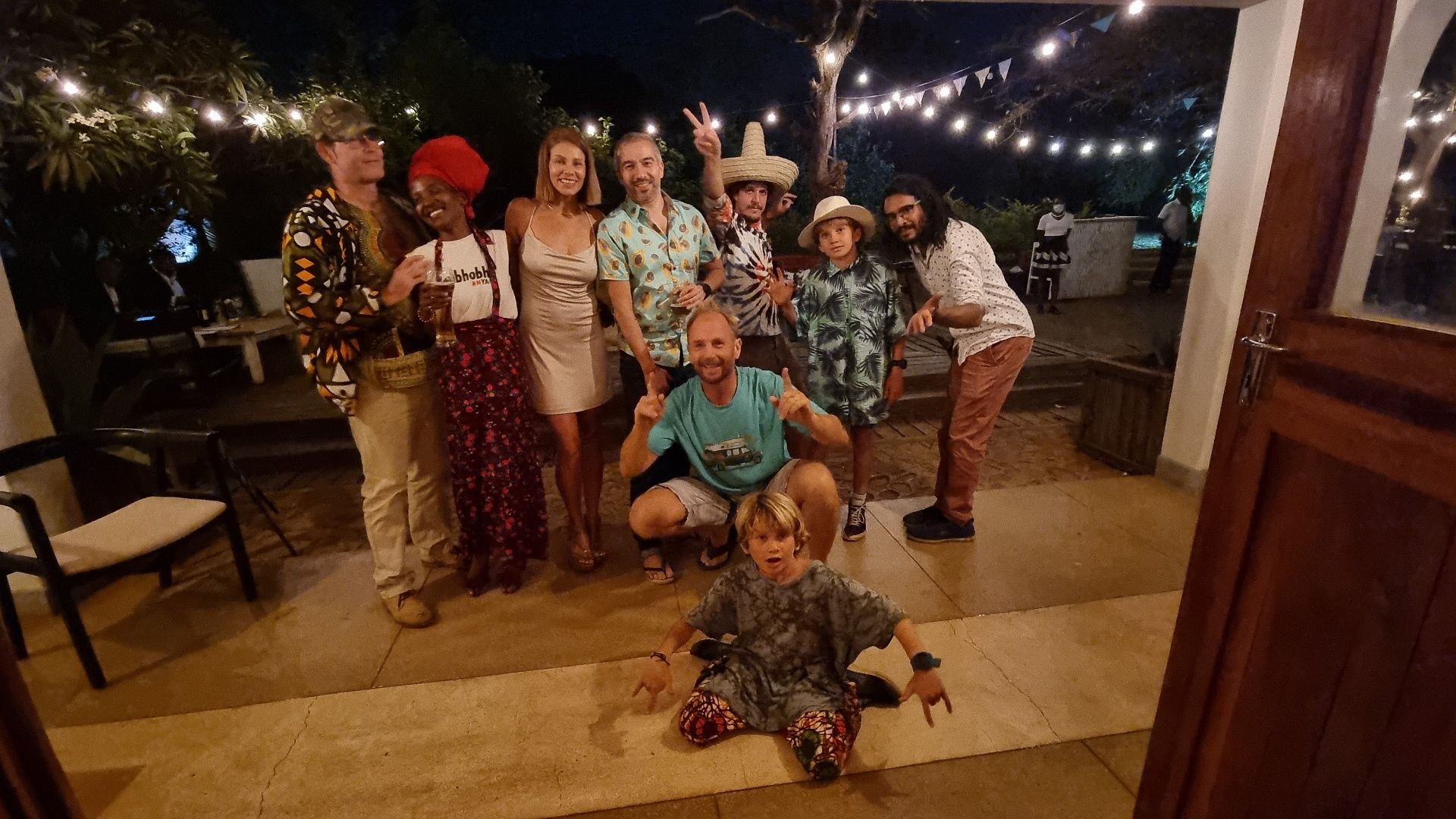
The last piece arrived as improbably as everything else. Tim Delhaes, a tech entrepreneur and digital nomad, crossed paths with Neil in Liwonde National Park in Malawi. A conversation, a connection. Tim came on board as lead producer and the team was finally complete.
Director's statement
Johan Nayar
I first saw Yobu and Yosefe busking in Lyon in 2017. Their energy made people stop, listen, and move. By WOMAD 2019, I knew their story had to be told.
As someone who also busked in my twenties, this film feels deeply personal. It's not just a documentary. It's a celebration of joy, instinct, and music meeting destiny.
"One of the things I most love about the story is the impact of changing their name from Tiyese to Madalitso. Their fortunes started to change with something seemingly so small."
I also love the fact that despite the extraordinary arc the band have been on, they stay humble. Their feet are firmly on the ground. The world changed around them. They stayed themselves.
That's the film.
Live
Glastonbury. The BBC. Anafera Chiboda.
From the streets of Lilongwe to HMS Sweet Charity at Glastonbury — a landmark moment for the band, their set slotting into a full DJ evening. Then the BBC studios, broadcast live to the nation.
This is Madalitso Band.
Continue exploring